Related Posts



In today’s digital age, it is crucial to take proactive measures in safeguarding your personal information. As technology evolves, so do the tactics employed by marketers and cybercriminals alike. These entities often seek to exploit your online behaviour, which can lead to significant risks to your privacy and security. By understanding how to manage your data sharing effectively, you can significantly mitigate these risks. For instance, consider the importance of strong privacy settings across various platforms. Regularly evaluate what you post online and the potential risks associated with oversharing. Engaging in active online privacy management is essential for preserving your security. Additionally, staying updated with the latest security tips online can greatly enhance your awareness and protection, ensuring you are well-equipped to handle potential threats.
Contact us today for comprehensive guidance on security measures tailored for your needs. Understanding the importance of digital safety is the first step towards ensuring a secure online presence.
Finally, remember that maintaining your online security is an ongoing journey. Regularly update your security practices in response to evolving threats. Engage with the community to stay informed about new security tips online and share your experiences with others. Your vigilance and proactive approach can make a significant difference in your online safety. By following these essential security tips online, you can ensure a more secure digital experience and protect your information effectively.
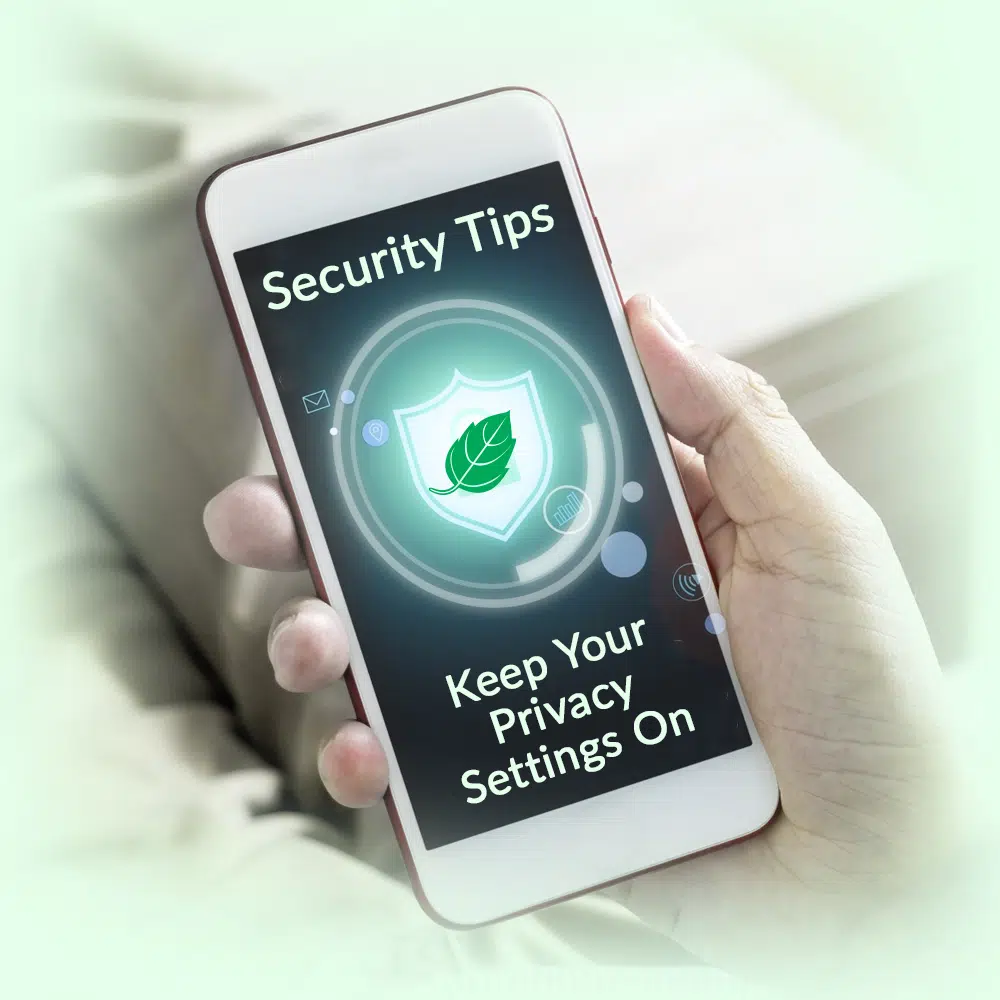
Begin by assessing which personal information you are comfortable sharing online. This includes everything from your name and address to your browsing habits. Often, we overlook the details we share on social media platforms; therefore, it’s essential to review your privacy settings regularly. Most platforms now provide enhanced privacy features that allow you to control who sees your information and posts. Make sure to turn on these privacy features to safeguard your data from unwanted access.
Additionally, it’s beneficial to educate yourself on data minimisation principles. Only provide the information that is absolutely necessary when signing up for services or making purchases online. For example, some sites request your full address even for digital services; it is perfectly acceptable to provide only the necessary details. By limiting the data you share, you reduce the risk of it being misused in a breach.
Consider using browser extensions that enhance your online privacy. Tools like ad blockers or script blockers can significantly reduce the amount of data that websites collect about you. These tools not only improve your browsing experience by eliminating disruptive ads but also help prevent your behaviour from being tracked across various sites. It’s crucial to select reputable extensions as some may compromise your security rather than enhance it.
Furthermore, consider setting up alerts for any unusual activity on your accounts. Most financial institutions and online services offer notifications for logins from unrecognised devices or changes to account settings, providing an additional layer of security. This proactive approach allows you to act quickly to secure your accounts if you notice any suspicious activity.
Furthermore, web browsers and mobile operating systems provide various settings aimed at enhancing your online privacy. For instance, you can manage cookies, block intrusive ads, and even use incognito modes to prevent your browsing history from being stored. It’s also wise to use strong, unique passwords for your accounts, as this simple practice can go a long way in protecting your information.
It’s also wise to periodically review the permissions granted to apps on your devices. Many applications request access to more information than necessary for their functionality. For instance, a simple weather app shouldn’t need access to your contacts or camera. By regularly auditing these permissions, you can prevent unnecessary data sharing and enhance your overall security posture.
Engage in regular discussions about online safety with your family and friends. Sharing insights about security tips online can create a more informed community, where everyone is aware of potential threats and protective measures. Establishing a culture of awareness and caution can be incredibly beneficial, especially for younger internet users who may not understand the risks as thoroughly.
As you navigate the complexities of online security, know that you are not alone. Many resources and professionals are available to assist you in fortifying your digital privacy. For tailored advice, feel free to reach out and explore how to enhance your online safety measures.
Moreover, utilising secure payment methods when shopping online can further protect your financial data. Services like PayPal or virtual credit cards can act as intermediaries, keeping your banking information private and safe from potential breaches. Always opt for these secure methods whenever possible to reduce exposure to fraud.
Consider implementing two-factor authentication wherever possible. This additional layer of security ensures that even if your password is compromised, your accounts remain protected. For example, when logging into your bank account, a verification code could be sent to your mobile phone, thus preventing unauthorised access.
In addition, always keep your software up to date. Outdated applications can become vulnerable to attacks as new threats emerge. By regularly updating your software, you can protect yourself from known exploits and vulnerabilities.
Moreover, be wary of public Wi-Fi networks. While convenient, these networks are often not secure, making it easy for hackers to intercept your data. If you must use public Wi-Fi, consider using a Virtual Private Network (VPN) to encrypt your internet connection and protect your data.
Educating yourself on the latest security tips online is pivotal in maintaining your digital safety. Stay informed about common scams and phishing attempts that may target you. Cybercriminals are constantly devising new strategies to deceive individuals into providing personal information. Recognising these tactics can empower you to avoid falling victim to such schemes.
If you find navigating online security overwhelming, seek out professional help. For more information or assistance in keeping your business and home safe online, contact Leaf Technologies. Our team of experts is ready to guide you in implementing effective strategies to protect your digital privacy.
✉️ Sales@leaftechnologies.co.za | ☎️ 031 100 5323