

Related Posts

In an era where security concerns are escalating across various sectors, the integration of Closed-Circuit Television (CCTV) and access control systems has become imperative. These technologies not only enhance security but also streamline operations and ensure regulatory compliance. This article aims to provide a comprehensive overview of CCTV and access control systems, their benefits, challenges, and the future of these technologies, particularly in professional environments.
Table of Contents
The Importance of CCTV in Security Systems
Overview of CCTV Technology
Closed-Circuit Television (CCTV) refers to a system of video cameras used to transmit signals to a specific place, typically for surveillance purposes. Unlike broadcast television, the signals are not openly transmitted, providing a level of security. CCTV systems can range from basic analog setups to advanced digital systems that include cloud storage and artificial intelligence for enhanced monitoring capabilities. These systems are pivotal in both crime prevention and evidence collection, making them essential for modern security strategies.
Benefits of CCTV Surveillance
CCTV systems offer numerous advantages, including deterrence of criminal activity, increased safety for employees and customers, and improved monitoring of operations. The mere presence of cameras can discourage potential wrongdoers from engaging in illegal activities. Furthermore, in the event of incidents such as theft or vandalism, recorded footage can serve as crucial evidence for investigations and legal proceedings.
Additionally, CCTV can improve operational efficiency by allowing businesses to monitor employee productivity and compliance with safety protocols. This dual functionality—security and operational efficiency—makes CCTV systems a versatile solution for various industries.
Challenges and Limitations of CCTV
Despite their many benefits, CCTV systems are not without their challenges. Issues such as privacy concerns, data storage limitations, and the potential for misuse of footage can arise. Furthermore, older analog systems may not provide the image clarity needed for effective surveillance, leading to difficulties in identifying individuals or actions. The rapid advancement in technology also means that businesses must consistently invest in upgrades, which can become a financial burden.
Moreover, reliance on CCTV systems alone can create a false sense of security. While they are a powerful tool, they should be part of a broader security strategy that includes access control and human oversight.
Access Control Systems: A Comprehensive Overview
Types of Access Control Systems
Access control systems regulate who can enter or exit particular areas within a facility. These systems can be classified into three main types: discretionary access control (DAC), mandatory access control (MAC), and role-based access control (RBAC). DAC allows users to control access to their resources, while MAC restricts access based on system-enforced policies. RBAC assigns access permissions based on the roles of individual users within an organization, promoting efficiency and security.
Integration of Access Control with CCTV
The integration of access control systems with CCTV enhances security by providing real-time monitoring and verification of access points. This synergy allows security personnel to view live footage of entry points, assess situations as they occur, and respond more effectively to unauthorized access attempts. For instance, if an access control system triggers an alarm due to a breach, the associated CCTV camera can automatically focus on that area, giving security teams vital information for immediate response.
Advantages of a Unified Security System
Implementing a unified security system that combines CCTV and access control offers a plethora of benefits. One significant advantage is the centralization of security management. Security personnel can monitor all aspects of a facility from a single interface, leading to streamlined operations and improved response times. Additionally, unified systems can reduce costs by minimizing the need for multiple disparate systems and the associated maintenance.
Biometrics: The Future of Access Control
Biometric authentication uses unique biological traits, such as fingerprints, facial recognition, iris patterns, or voice recognition, to grant access. Fingerprint scanners are among the most common biometric systems due to their accuracy and ease of use. Facial recognition technology has gained traction in recent years, particularly in high-security environments, as it allows for contactless access.
Key Benefits of Biometrics:
- Nearly impossible to forge or lose credentials.
- Enhanced user convenience (no codes to remember).
- High precision for data centers and research facilities.
Case Studies: Successful Implementations
Retail Sector: A major department store chain implemented an integrated system to reduce theft. By installing high-definition cameras at entry/exit points linked to employee access logs, the store saw a marked decrease in inventory shrinkage and increased staff confidence.
Corporate Environment: A Fortune 500 company utilized RFID cards combined with biometric authentication for sensitive areas. Integrated CCTV feeds provided real-time verification, allowing for swift response to potential threats while maintaining a smooth workflow.
Future Trends in CCTV and Access Control
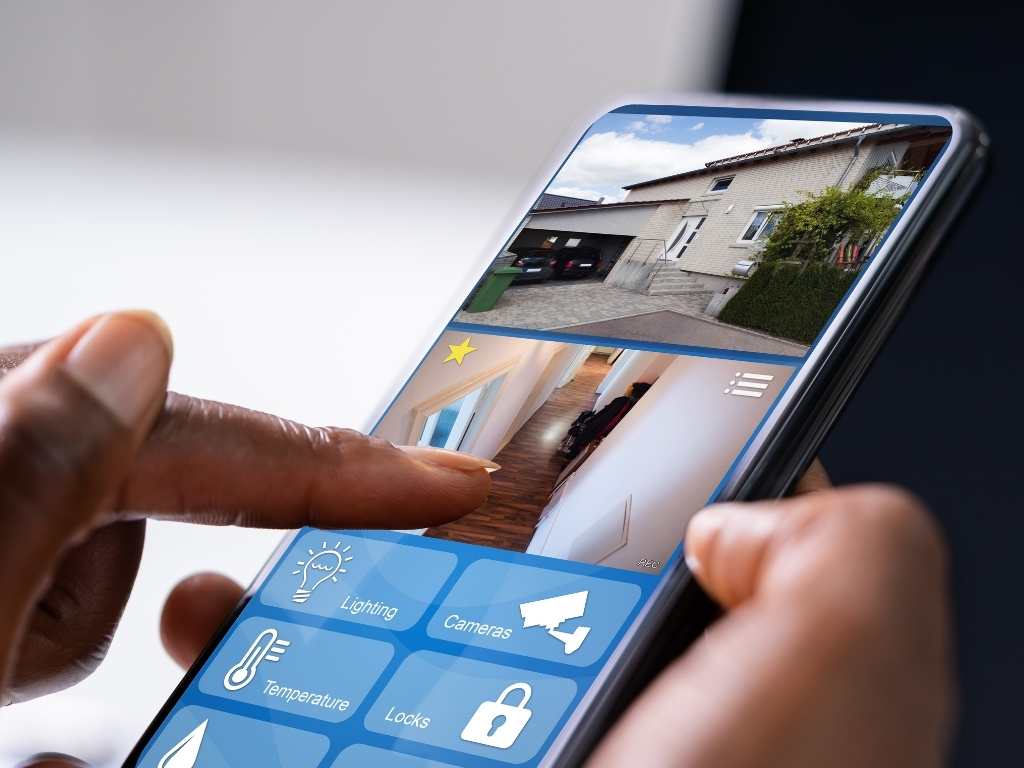
The future is poised for significant advancements. The integration of Internet of Things (IoT) devices is becoming prevalent, enabling smarter, interconnected security systems. Additionally, Cloud Storage solutions are making it easier to manage large volumes of video footage, allowing organizations to access surveillance data from anywhere via mobile apps.
Artificial Intelligence (AI) is also transforming the landscape by analyzing video footage in real-time to identify unusual behavior or recognized threats without human intervention.
Conclusion
The integration of CCTV and access control systems is essential for enhancing security in today's dynamic environments. While challenges exist, the benefits of these systems—especially when enhanced by AI and biometrics—far outweigh the drawbacks. By investing in modern security solutions, organizations in South Africa can create safer environments for employees, customers, and assets alike.
FAQs
What is the primary purpose of CCTV systems?
CCTV systems are primarily used for surveillance, deterring criminal activity, monitoring operations, and providing evidence in case of incidents.
How does access control enhance security?
Access control systems limit entry to authorized personnel, thereby reducing the risk of unauthorized access to sensitive areas.
What are the challenges of using biometric systems?
Challenges include privacy concerns, implementation costs, and varying accuracy based on environmental factors like lighting or dirt.
How can organizations integrate CCTV and access control systems?
By using compatible hardware/software platforms that centralize management into a single dashboard for real-time monitoring.