The Importance of CCTV in Security Systems

The Importance of CCTV in Security Systems

In an era where security concerns are escalating across various sectors, the integration of Closed-Circuit Television (CCTV) and access control systems has become imperative. These technologies not only enhance security but also streamline operations and ensure regulatory compliance. This article aims to provide a comprehensive overview of CCTV and access control systems, their benefits, challenges, and the future of these technologies, particularly in professional environments.


The Importance of CCTV in Security Systems

Overview of CCTV Technology

Closed-Circuit Television (CCTV) refers to a system of video cameras used to transmit signals to a specific place, typically for surveillance purposes. Unlike broadcast television, the signals are not openly transmitted, providing a level of security. CCTV systems can range from basic analog setups to advanced digital systems that include cloud storage and artificial intelligence for enhanced monitoring capabilities. These systems are pivotal in both crime prevention and evidence collection, making them essential for modern security strategies.

The Importance Of Cctv In Security Systems

Benefits of CCTV Surveillance

CCTV systems offer numerous advantages, including deterrence of criminal activity, increased safety for employees and customers, and improved monitoring of operations. The mere presence of cameras can discourage potential wrongdoers from engaging in illegal activities. Furthermore, in the event of incidents such as theft or vandalism, recorded footage can serve as crucial evidence for investigations and legal proceedings.

Additionally, CCTV can improve operational efficiency by allowing businesses to monitor employee productivity and compliance with safety protocols. This dual functionality—security and operational efficiency—makes CCTV systems a versatile solution for various industries.

Challenges and Limitations of CCTV

Despite their many benefits, CCTV systems are not without their challenges. Issues such as privacy concerns, data storage limitations, and the potential for misuse of footage can arise. Furthermore, older analog systems may not provide the image clarity needed for effective surveillance, leading to difficulties in identifying individuals or actions. The rapid advancement in technology also means that businesses must consistently invest in upgrades, which can become a financial burden.

Moreover, reliance on CCTV systems alone can create a false sense of security. While they are a powerful tool, they should be part of a broader security strategy that includes access control and human oversight.

Access Control Systems: A Comprehensive Overview

Types of Access Control Systems

Access control systems regulate who can enter or exit particular areas within a facility. These systems can be classified into three main types: discretionary access control (DAC), mandatory access control (MAC), and role-based access control (RBAC). DAC allows users to control access to their resources, while MAC restricts access based on system-enforced policies. RBAC assigns access permissions based on the roles of individual users within an organization, promoting efficiency and security.

Integration of Access Control with CCTV

The integration of access control systems with CCTV enhances security by providing real-time monitoring and verification of access points. This synergy allows security personnel to view live footage of entry points, assess situations as they occur, and respond more effectively to unauthorized access attempts. For instance, if an access control system triggers an alarm due to a breach, the associated CCTV camera can automatically focus on that area, giving security teams vital information for immediate response.

Advantages of a Unified Security System

Implementing a unified security system that combines CCTV and access control offers a plethora of benefits. One significant advantage is the centralization of security management. Security personnel can monitor all aspects of a facility from a single interface, leading to streamlined operations and improved response times. Additionally, unified systems can reduce costs by minimizing the need for multiple disparate systems and the associated maintenance.

Biometrics: The Future of Access Control

Biometric authentication uses unique biological traits, such as fingerprints, facial recognition, iris patterns, or voice recognition, to grant access. Fingerprint scanners are among the most common biometric systems due to their accuracy and ease of use. Facial recognition technology has gained traction in recent years, particularly in high-security environments, as it allows for contactless access.

Key Benefits of Biometrics:

  • Nearly impossible to forge or lose credentials.
  • Enhanced user convenience (no codes to remember).
  • High precision for data centers and research facilities.

Case Studies: Successful Implementations

Retail Sector: A major department store chain implemented an integrated system to reduce theft. By installing high-definition cameras at entry/exit points linked to employee access logs, the store saw a marked decrease in inventory shrinkage and increased staff confidence.

Corporate Environment: A Fortune 500 company utilized RFID cards combined with biometric authentication for sensitive areas. Integrated CCTV feeds provided real-time verification, allowing for swift response to potential threats while maintaining a smooth workflow.

The future is poised for significant advancements. The integration of Internet of Things (IoT) devices is becoming prevalent, enabling smarter, interconnected security systems. Additionally, Cloud Storage solutions are making it easier to manage large volumes of video footage, allowing organizations to access surveillance data from anywhere via mobile apps.

Artificial Intelligence (AI) is also transforming the landscape by analyzing video footage in real-time to identify unusual behavior or recognized threats without human intervention.

Conclusion

The integration of CCTV and access control systems is essential for enhancing security in today's dynamic environments. While challenges exist, the benefits of these systems—especially when enhanced by AI and biometrics—far outweigh the drawbacks. By investing in modern security solutions, organizations in South Africa can create safer environments for employees, customers, and assets alike.


FAQs

What is the primary purpose of CCTV systems?
CCTV systems are primarily used for surveillance, deterring criminal activity, monitoring operations, and providing evidence in case of incidents.

How does access control enhance security?
Access control systems limit entry to authorized personnel, thereby reducing the risk of unauthorized access to sensitive areas.

What are the challenges of using biometric systems?
Challenges include privacy concerns, implementation costs, and varying accuracy based on environmental factors like lighting or dirt.

How can organizations integrate CCTV and access control systems?
By using compatible hardware/software platforms that centralize management into a single dashboard for real-time monitoring.

Beyond the Buzzwords: Real-World Digital Transformation with Microsoft 365 and Copilot

Beyond the Buzzwords: Real-World Digital Transformation with Microsoft 365 and Copilot

How to move beyond simple software and build a connected, AI-powered ecosystem for your business with Copilot.


Is “Digital Transformation” just a buzzword in your boardroom, or is it a reality on your shop floor?

Embracing tools like can simplify the digital transformation journey.

For many South African business owners, the concept of digital transformation can feel overwhelming. It often sounds expensive, complex, and disruptive. But the reality is that true transformation doesn’t require a complete overhaul of your entire business model. Often, it starts with optimising the tools you already use every day.

At Leaf Technologies, we have observed a shift. The modern office is no longer defined by a physical desk; it is defined by a connected ecosystem.

It is time to move beyond using software simply to type letters or send emails. It is time to streamline operations and accelerate your growth with the ultimate modern office: Microsoft 365, Teams, and the AI-powered Copilot, fully managed by Leaf Technologies.

By integrating into your workflow, you can enhance productivity and streamline processes.

Digital Transformation With Office 365 And Copilot
Beyond The Buzzwords: Real-World Digital Transformation With Microsoft 365 And Copilot 3

The Foundation: Microsoft 365 as Your Digital HQ

Most businesses treat Microsoft 365 (formerly Office 365) as a utility—a way to get Word, Excel, and Outlook. However, when architected correctly, it becomes your “Digital HQ.”

In a hybrid working world, siloed communication slows down business. If your team is emailing versions of a spreadsheet back and forth, you aren’t collaborating; you are just coping.

  • Access Anywhere: Whether your sales team is on the road in KZN or your finance director is working from home, M365 ensures documents are edited and shared securely from any device.
  • The Hub for Teamwork: Microsoft Teams unifies your workforce in a single, secure shared workspace. It turns meetings into action items by integrating your calendar, tasks, and files directly into your calls.
  • Enterprise-Grade Security: With cyber threats on the rise, M365 provides built-in defence against data loss, protecting your intellectual property without hindering productivity.

The Game Changer: Microsoft Copilot

If M365 is the engine, Microsoft Copilot is the turbocharger.

There is a lot of hype surrounding Artificial Intelligence (AI), but for the practical business owner, the value lies in efficiency. is not here to replace your people; it is here to work alongside them.

Embedded directly into the apps you use daily, combines the power of large language models (LLMs) with your business data to automate the mundane:

  • Automate the Routine: Let Copilot summarise long email threads, draft proposals in Word, or analyse complex data trends in Excel instantly.
  • Intelligent Meeting Recaps: Missed a Teams meeting? Copilot generates summaries and action items, ensuring you never miss a beat without having to sit through the recording.

Why Partner with Leaf Technologies?

Migrating to the cloud and adopting AI is easy in theory, but optimising it for your specific business needs is where the challenge lies.

At Leaf Technologies, we don’t just sell licenses—we architect solutions. As “The IT Company That Understands Your Business,” we bridge the gap between complex technology and practical application.

1. Seamless Migration Moving your emails and data to the cloud can be daunting. We handle the technical heavy lifting, ensuring a migration with zero downtime so your business keeps running while we upgrade your infrastructure.

2. Local, Human Support When you have a critical deadline and a software glitch, the last thing you want is an automated helpline. With Leaf, you get direct support from our South African-based technical team who know your infrastructure inside out.

3. Strategic Integration We integrate these tools into your broader IT strategy. We ensure your Microsoft ecosystem works harmoniously with your existing connectivity, voice, and security solutions, creating a unified environment that just works.

Ready to Unlock Your Potential?

Digital transformation isn’t about buying the newest gadgets; it’s about empowering your workforce to do their best work.

Let Leaf Technologies be your partner in navigating the complexities of the modern office. Contact us today to discuss how we can tailor Microsoft 365 and Copilot to your unique business needs.

CCTV     Solutions

CCTV Solutions

CCTV Solutions

Do you have eyes on your business? Are they yours?

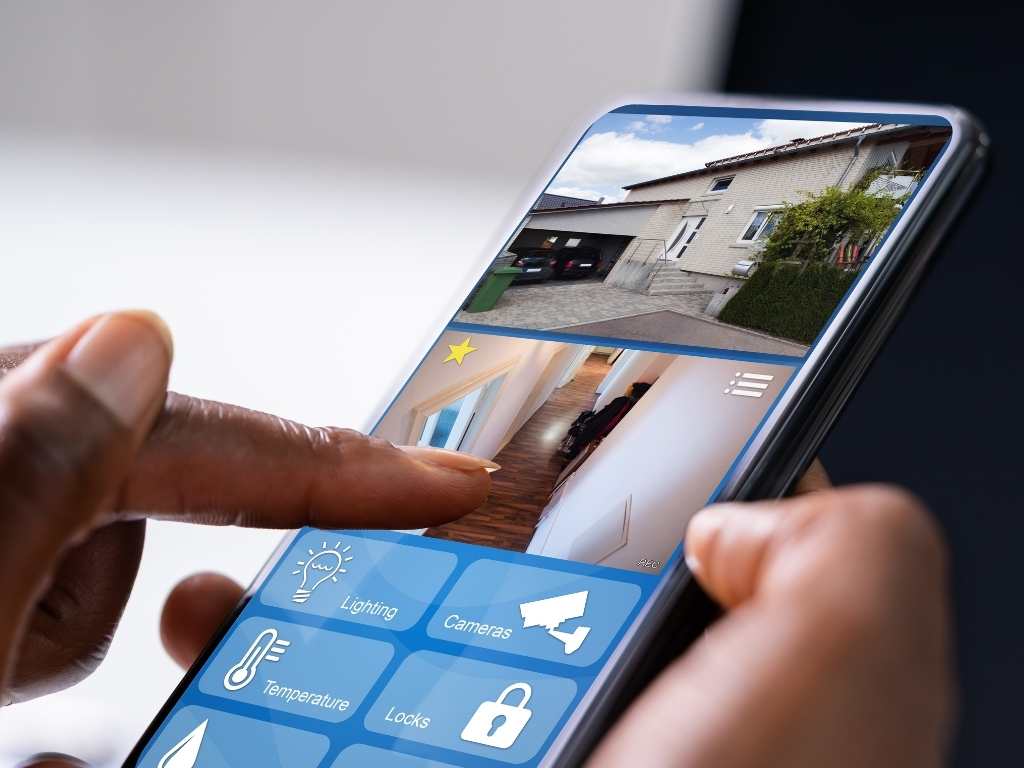
You need reliable CCTV to protect your property. A CCTV system with remote viewing lets you keep an eye on your business even when you’re away or working from home! You can log in from anywhere, see what’s happening in real-time, and immediately protect your business or home.

If you don’t have CCTV, YOU NEED HELP! 

Get the help you need, contact our team:

✉️ Sales@leaftechnologies.co.za | ☎️ 031 001 5323

www.leaftechnologies.co.za

What is Cloud storage, and why is it important? 

What is Cloud storage, and why is it important? 

Cloud Storage enables you to store your data on hosted servers in a separate location. This means you can store all your digital things like documents, photos, music and videos remotely, without taking up physical space in your home or office or using up megabytes on your computer.

Cloud storage is essential because even if your computer crashes or gets destroyed or stolen, your data remains safely stored in the “cloud” (another server in a different location). Thus, you can plugin and pick up where you left off without losing any information. 

For more help or further information on Cloud Storage – ask your Leaf Technologies team 

The IT Company that understands your business

✉️ Sales@leaftechnologies.co.za | ☎️ 031 100 5323 | https://leaftechnologies.co.za/contact-leaf-technologies/

[/et_pb_text][/et_pb_column][/et_pb_row][/et_pb_section]

What is Cloud storage, and why is it important? 

Cloud Storage enables you to store your data on hosted servers in a separate location. This means you can store all your digital things like documents, photos, music and videos remotely, without taking up physical space in your home or office or using up megabytes on your computer.

Cloud storage is essential because even if your computer crashes or gets destroyed or stolen, your data remains safely stored in the “cloud” (another server in a different location). Thus, you can plugin and pick up where you left off without losing any information. 

For more help or further information on Cloud Storage – ask your Leaf Technologies team 

The IT Company that understands your business

✉️ Sales@leaftechnologies.co.za | ☎️ 031 100 5323 | https://leaftechnologies.co.za/contact-leaf-technologies/

Security Tips – Keep Your Privacy Settings On

Security Tips – Keep Your Privacy Settings On

In today’s digital age, it is crucial to take proactive measures in safeguarding your personal information. As technology evolves, so do the tactics employed by marketers and cybercriminals alike. These entities often seek to exploit your online behaviour, which can lead to significant risks to your privacy and security. By understanding how to manage your data sharing effectively, you can significantly mitigate these risks. For instance, consider the importance of strong privacy settings across various platforms. Regularly evaluate what you post online and the potential risks associated with oversharing. Engaging in active online privacy management is essential for preserving your security. Additionally, staying updated with the latest security tips online can greatly enhance your awareness and protection, ensuring you are well-equipped to handle potential threats.

Contact us today for comprehensive guidance on security measures tailored for your needs. Understanding the importance of digital safety is the first step towards ensuring a secure online presence.

Finally, remember that maintaining your online security is an ongoing journey. Regularly update your security practices in response to evolving threats. Engage with the community to stay informed about new security tips online and share your experiences with others. Your vigilance and proactive approach can make a significant difference in your online safety. By following these essential security tips online, you can ensure a more secure digital experience and protect your information effectively.

Begin by assessing which personal information you are comfortable sharing online. This includes everything from your name and address to your browsing habits. Often, we overlook the details we share on social media platforms; therefore, it’s essential to review your privacy settings regularly. Most platforms now provide enhanced privacy features that allow you to control who sees your information and posts. Make sure to turn on these privacy features to safeguard your data from unwanted access.

Additionally, it’s beneficial to educate yourself on data minimisation principles. Only provide the information that is absolutely necessary when signing up for services or making purchases online. For example, some sites request your full address even for digital services; it is perfectly acceptable to provide only the necessary details. By limiting the data you share, you reduce the risk of it being misused in a breach.

Consider using browser extensions that enhance your online privacy. Tools like ad blockers or script blockers can significantly reduce the amount of data that websites collect about you. These tools not only improve your browsing experience by eliminating disruptive ads but also help prevent your behaviour from being tracked across various sites. It’s crucial to select reputable extensions as some may compromise your security rather than enhance it.

Furthermore, consider setting up alerts for any unusual activity on your accounts. Most financial institutions and online services offer notifications for logins from unrecognised devices or changes to account settings, providing an additional layer of security. This proactive approach allows you to act quickly to secure your accounts if you notice any suspicious activity.

Furthermore, web browsers and mobile operating systems provide various settings aimed at enhancing your online privacy. For instance, you can manage cookies, block intrusive ads, and even use incognito modes to prevent your browsing history from being stored. It’s also wise to use strong, unique passwords for your accounts, as this simple practice can go a long way in protecting your information.

It’s also wise to periodically review the permissions granted to apps on your devices. Many applications request access to more information than necessary for their functionality. For instance, a simple weather app shouldn’t need access to your contacts or camera. By regularly auditing these permissions, you can prevent unnecessary data sharing and enhance your overall security posture.

Engage in regular discussions about online safety with your family and friends. Sharing insights about security tips online can create a more informed community, where everyone is aware of potential threats and protective measures. Establishing a culture of awareness and caution can be incredibly beneficial, especially for younger internet users who may not understand the risks as thoroughly.

As you navigate the complexities of online security, know that you are not alone. Many resources and professionals are available to assist you in fortifying your digital privacy. For tailored advice, feel free to reach out and explore how to enhance your online safety measures.

Moreover, utilising secure payment methods when shopping online can further protect your financial data. Services like PayPal or virtual credit cards can act as intermediaries, keeping your banking information private and safe from potential breaches. Always opt for these secure methods whenever possible to reduce exposure to fraud.

Consider implementing two-factor authentication wherever possible. This additional layer of security ensures that even if your password is compromised, your accounts remain protected. For example, when logging into your bank account, a verification code could be sent to your mobile phone, thus preventing unauthorised access.

In addition, always keep your software up to date. Outdated applications can become vulnerable to attacks as new threats emerge. By regularly updating your software, you can protect yourself from known exploits and vulnerabilities.

Moreover, be wary of public Wi-Fi networks. While convenient, these networks are often not secure, making it easy for hackers to intercept your data. If you must use public Wi-Fi, consider using a Virtual Private Network (VPN) to encrypt your internet connection and protect your data.

Educating yourself on the latest security tips online is pivotal in maintaining your digital safety. Stay informed about common scams and phishing attempts that may target you. Cybercriminals are constantly devising new strategies to deceive individuals into providing personal information. Recognising these tactics can empower you to avoid falling victim to such schemes.

If you find navigating online security overwhelming, seek out professional help. For more information or assistance in keeping your business and home safe online, contact Leaf Technologies. Our team of experts is ready to guide you in implementing effective strategies to protect your digital privacy.

✉️ Sales@leaftechnologies.co.za | ☎️ 031 100 5323

Whos watching? Are you? Protect yourself & your business with Leaf Technologies

Whos watching? Are you? Protect yourself & your business with Leaf Technologies

Enhancing Your Cybersecurity with Leaf Technologies

Moreover, Leaf Technologies offers a range of services designed to help businesses enhance their cybersecurity posture. From vulnerability assessments to incident response planning, their expertise can significantly reduce the risk of a cyber attack. By partnering with institutions like Leaf Technologies, businesses can stay ahead of emerging threats and ensure that their data remains secure.

In today’s digital age, having a strong online presence is not enough. Businesses must also integrate cybersecurity into their digital strategy. This can involve regular training sessions for staff, ensuring that everyone understands the importance of security measures, and how to implement them effectively. Furthermore, businesses should regularly review and update their cybersecurity policies to adapt to new threats and challenges.

The consequences of failing to protect against cyber threats can be severe. Companies may face legal repercussions, loss of customer trust, and a damaged reputation. In worst-case scenarios, some businesses have had to close their doors permanently due to the financial fallout from a cyber incident. It is imperative that all businesses, regardless of size, take these threats seriously and act swiftly to mitigate risks. Investing in advanced security solutions is not just a precaution; it is a necessity.

Cybercrime is at an all-time high and continuously evolving, affecting individuals and businesses alike. Hackers have become increasingly sophisticated, utilising advanced techniques to infiltrate systems and steal sensitive information. They know who you are, where you live, and they are watching you, waiting for the perfect opportunity to attack. The implications of cybercrime can be devastating, leading to identity theft, financial loss, and significant disruptions to your business operations. It is crucial to understand the various forms of cyber threats and take proactive measures to protect yourself and your business.

For instance, phishing attacks often come in the form of seemingly legitimate emails that trick individuals into providing personal information. In another example, ransomware has become a prevalent threat, where hackers encrypt files and demand a ransom for their release. Businesses must not only invest in robust cybersecurity measures but also educate their employees about recognising and responding to these threats.

Additionally, the rise of remote work due to recent global events has opened many new vulnerabilities. Employees using home networks may not have the same level of security as in a corporate environment, leading to increased risks. Therefore, implementing comprehensive security protocols, including regular software updates, strong password policies, and multi-factor authentication, is essential in safeguarding against cybercrime.